
arch mirror with led light
Ball Style Check Valve Temel Özellikleri ve Kullanım Alanları Ball Style Check Valve Temel Özellikleri ve Kullanım Alanları Bilyalı geri akış valflerinin en belirgin özelliği, içindeki bilya mekanizmasıdır. Bu bilya, akışın yönüne bağlı olarak hareket eder. Akış yönünde bilya yukarı kaldırılırken, geriye akış olduğunda bilya aşağı inerek akışı kapatır. Bu mekanizma, valfin son derece hassas ve hızlı bir şekilde çalışmasını sağlar. Ayrıca, bilyalı geri akış valfleri, yüksek basınçlara dayanıklıdır ve sızdırmazlık konusunda da başarılıdır. ball style check valve Bilyalı geri akış valflerinin birçok avantajı bulunmaktadır. Öncelikle, bu valfler, kendiliğinden kapanma özelliği sayesinde enerji tasarrufu sağlar. Aktif bir kapatma mekanizması gerektirmediği için, işletme maliyetlerini azaltır. Ayrıca, bilyalı geri akış valfleri, farklı sıvı türleri ve gazlar için kullanılabilir, bu da onları çok yönlü hale getirir. Bilyalı geri akış valflerinin kullanım alanları oldukça geniştir. Su arıtma, atık su yönetimi, pompa sistemleri, HVAC (Isıtma, Havalandırma ve İklimlendirme) sistemleri ve endüstriyel proseslerde yaygın olarak kullanılır. Özellikle su dağıtım sistemlerinde, bilyalı geri akış valfleri, pompalardan gelen suyun geriye akmasını önleyerek sistemin verimliliğini artırır. Ayrıca, iç mekanlarda oluşabilecek olumsuz etkileri azaltarak, tesisatın ömrünü uzatır. Sonuç olarak, bilyalı geri akış valfleri, güvenilirliği ve verimliliği ile dikkat çeken bileşenlerdir. Hem endüstriyel hem de ticari uygulamalarda geniş bir kullanım alanına sahiptirler. Sıvı ve gaz akışını kontrol etme yetenekleri sayesinde, sistemlerde aksaklıkları önler ve güvenli bir çalışma ortamı sağlar. Bu nedenlerle, bilyalı geri akış valfleri, modern mühendislik uygulamalarında vazgeçilmez bir unsur haline gelmiştir. Kullanıcılar, performans ve dayanıklılık gereksinimlerine göre bu valfleri seçerek, sistemlerinin verimliliğini ve güvenliğini artırabilirler.
about
arch mirror with led light
Marking a Ruler with a Spirit Level A Guide to Precision Measurement In today’s world, precision is vital across various fields, whether in construction, woodworking, or crafting. One of the simplest yet most effective tools to ensure accuracy is a ruler. However, to maximize the utility of a ruler, integrating it with another fundamental tool—the spirit level—can enhance the process of measurement and layout. This article aims to explore the method of marking a ruler using a spirit level, detailing its advantages and the steps involved to achieve precise outcomes. Understanding the Tools Before diving into the process, it's crucial to understand the two primary tools the ruler and the spirit level. A ruler, typically a flat piece of wood, plastic, or metal, is marked with measurement units. It is essential for determining lengths and ensuring straight edges. On the other hand, a spirit level is used to determine the horizontal and vertical alignment of surfaces. It consists of a sealed tube with a liquid and an air bubble. When the bubble is centered between the marked lines, it indicates that the surface is level. Combining these two tools allows for precise marking and alignment, making it possible to execute tasks that require meticulous attention to detail. Why Use a Spirit Level with a Ruler? 1. Enhanced Accuracy When working on projects requiring exact measurements, using a spirit level ensures that the ruler is positioned correctly. For instance, when marking a long line, a spirit level can confirm that the ruler is straight, reducing measurement errors. 2. Time Efficiency Mistakes often lead to rework. By ensuring a level surface from the start, one can save time that would otherwise be spent correcting misalignments. 3. Versatility This method is applicable in various scenarios, whether one is hanging a picture frame, constructing a shelf, or laying out larger building projects . The principles of marking with a spirit level remain the same, providing consistency across different tasks. marking ruler with spirit level Step-by-Step Guide to Marking a Ruler with a Spirit Level Step 1 Gather Your Materials You will need a ruler, a spirit level, a pencil, and possibly some clamps for stabilization, especially if working on larger pieces. Ensure that your workspace is clear and organized to avoid distractions. Step 2 Position the Ruler Place the ruler on the surface you wish to mark. Ensure that it is where you want to draw your line. Step 3 Use the Spirit Level Set the spirit level on the ruler. Make sure to place it at multiple points along the ruler to confirm that it remains horizontal. Adjust the ruler as needed to get the bubble centered between the lines. Step 4 Mark the Line Once you have confirmed that the ruler is level, use your pencil to draw a straight line along the edge of the ruler. Take your time and ensure that your hand is steady to prevent any mistakes. Step 5 Confirm Alignment After marking, it is wise to double-check the alignment using the spirit level once more. This ensures that your mark is level and straight, ready for the next steps in your project. Step 6 Clean Up Once you have completed your marking, clean the area and store your tools properly. Make sure to wipe any excess pencil marks that could interfere with the accuracy of subsequent measurements or markings. Conclusion Marking a ruler with a spirit level is a straightforward process that can greatly improve the accuracy and efficiency of various projects. By taking the time to ensure both tools are used in conjunction, you not only enhance the quality of your work but also cultivate a habit of precision that will serve you well in any task. Whether you are a seasoned professional or a passionate hobbyist, integrating these tools into your workflow can make all the difference in achieving those perfect measurements.
-

High quality industrial productsagement

High quality industrial products
View Details -

Meet the diverse needs of customers

Meet the diverse needs of customers
View Details -

Strict quality control

Strict quality control
View Details -

Top raw materials

Top raw materials
View Details -

Trusted supplier

Trusted supplier
View Details
Our application


news and information

Versatile Welding Table Clamping Kit for Secure Workholding Solutions
The Essential Guide to Welding Table Clamp Kits Welding is an essential skill in many trades, from m
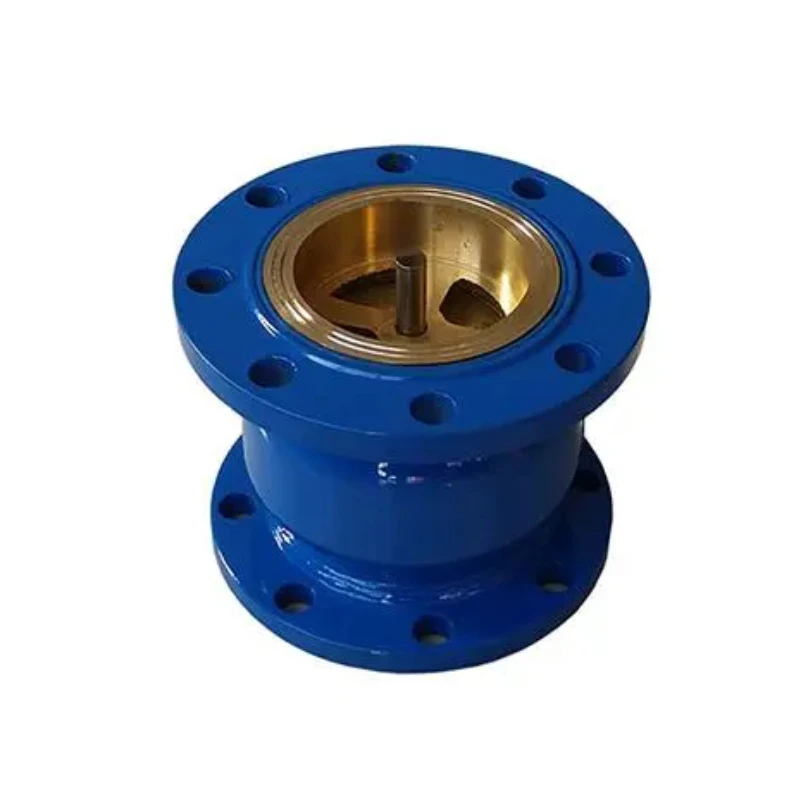
Y Type Strainer Applications and Benefits for Efficient Fluid Management
The Importance of Y-Type Strainers in Industrial Applications Y-type strainers play a crucial role i

Y-Shaped Strainer for Efficient Liquid Filtration Solutions
y shaped strainer .
 English